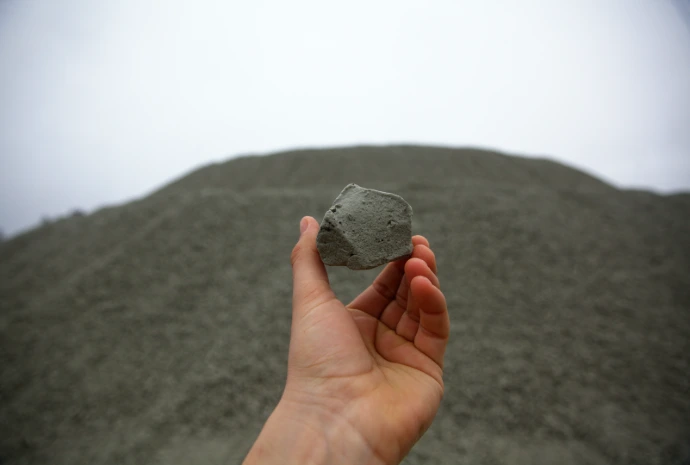
Enviro-Rock Benefits & Properties
Enviro-Rock delivers multiple performance benefits in one innovative lightweight Foam Glass Aggregate. From structural strength and thermal efficiency to long-term durability and sustainability. It's engineered to perform where traditional lightweight materials fall short.
Explore the expanded benefits and properties below.
Performance Properties
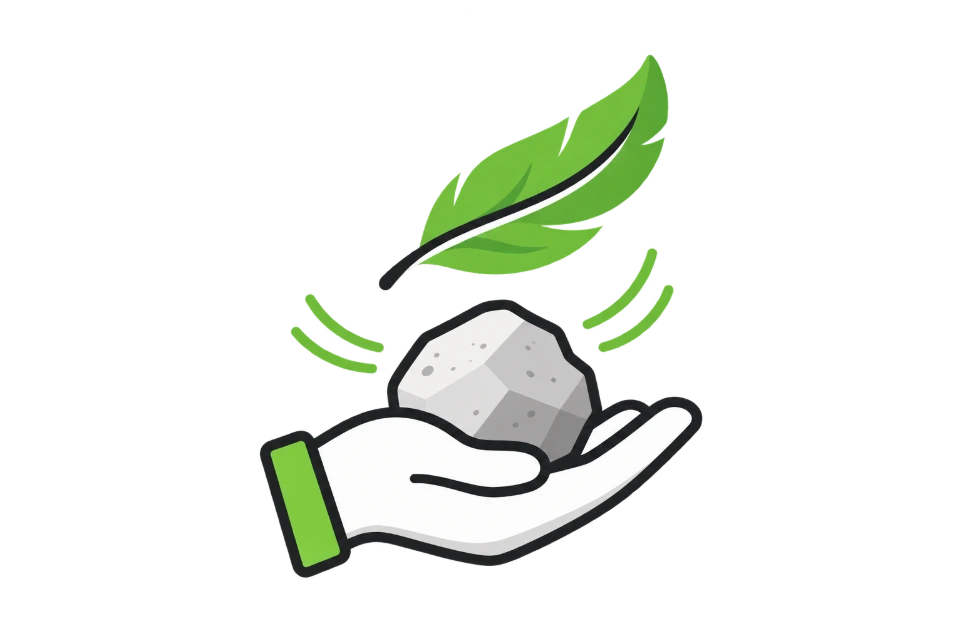
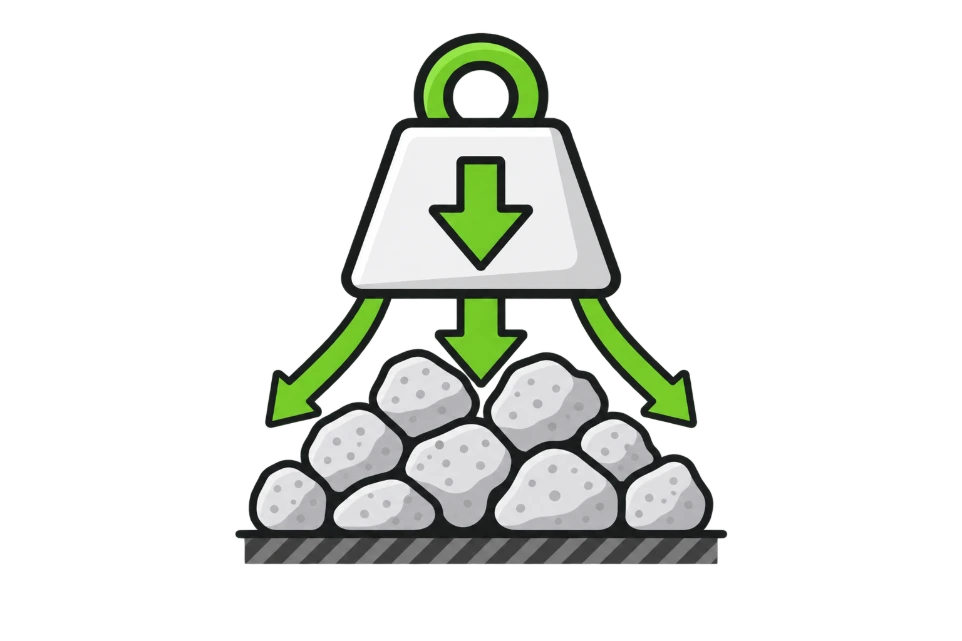
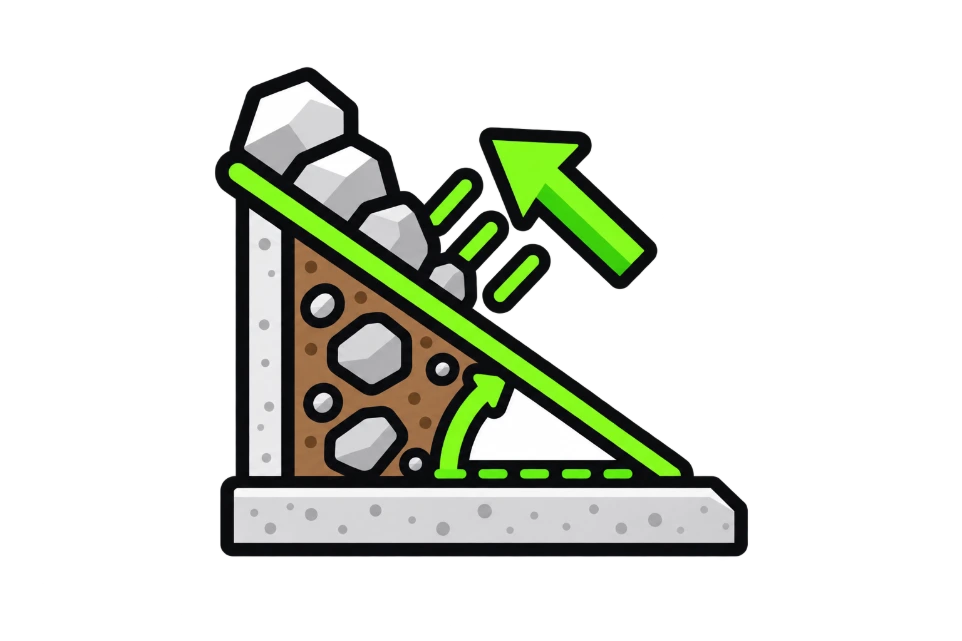
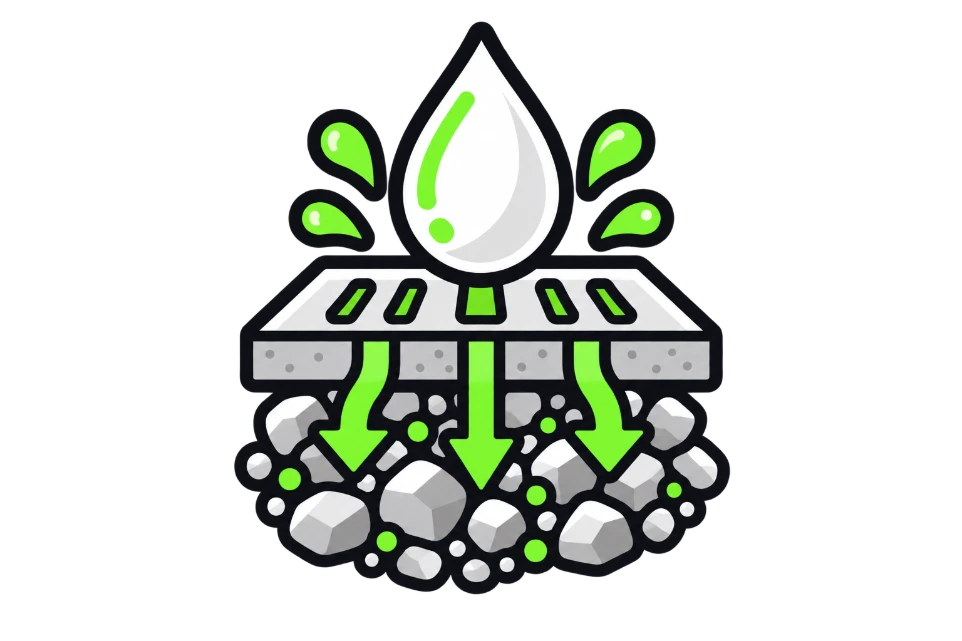
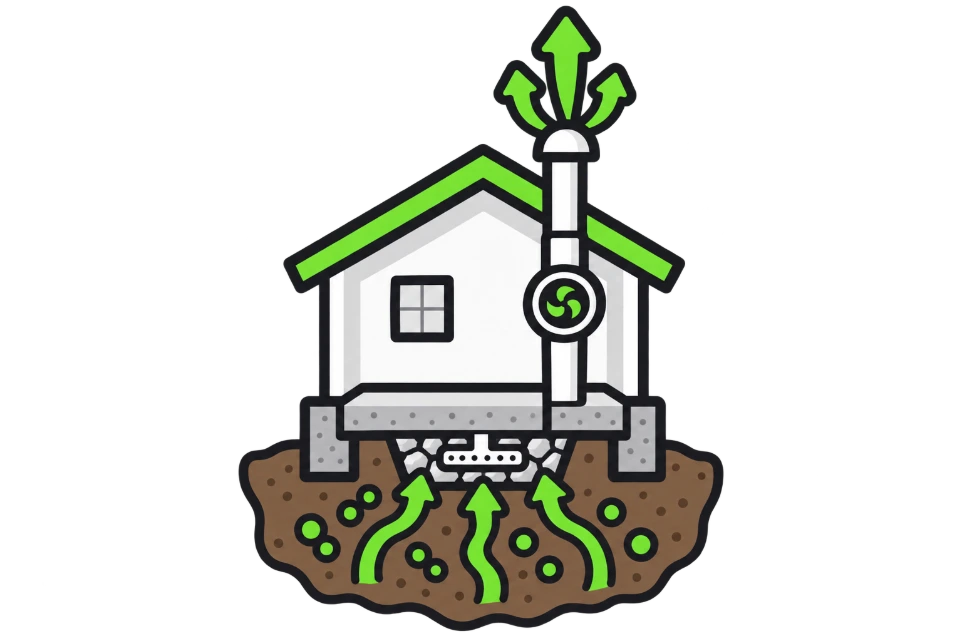
Explore the key performance characteristics that define Enviro-Rock, including lightweight structural support, thermal insulation, drainage, durability, and long-term stability.





Additional Benefits
Beyond its technical performance, Enviro-Rock offers practical advantages that can support construction efficiency, long-term durability, sustainability, and overall project value.
Easy to Handle
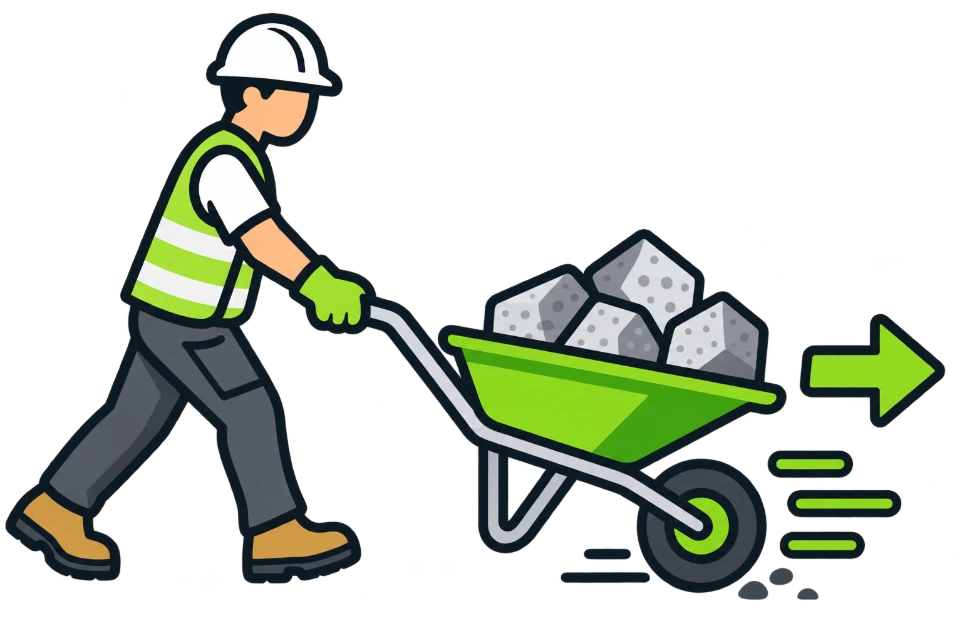
Enviro-Rock’s low density makes it significantly easier to move, place, and work with than conventional mineral aggregate. The reduced weight can make material handling more manageable on site, particularly in areas with restricted access or where larger equipment may be difficult to use.Because less weight is being moved, Enviro-Rock can also reduce demands on transportation and placement equipment. It remains a granular material that can be installed using familiar construction methods, helping crews gain the advantages of lightweight fill without introducing an entirely different installation process.

Pest Resistant
Enviro-Rock is manufactured from glass and does not provide a food source for insects, rodents, mold, or other biological organisms. Unlike organic materials, it will not rot, decompose, or become a source of nourishment for pests over time.This makes it particularly useful in below-grade and enclosed applications where long-term access may be limited. Its inorganic composition helps the material maintain its physical structure without relying on chemical pest treatments or preservatives for protection.

Durability and Longevity
Enviro-Rock is made from a stable glass structure that does not rot, rust, or biologically decompose over time. Its resistance to moisture, freeze-thaw exposure, pests, and many common environmental conditions helps it maintain its function throughout the life of an assembly.Long-term stability is particularly important in applications where the material may be buried beneath slabs, foundations, roadways, landscaping, or other areas that are difficult to access after construction. By maintaining its physical characteristics over time, Enviro-Rock can provide dependable long-term performance with limited material degradation.

Locally Made
Enviro-Rock is manufactured in British Columbia using recycled glass collected and processed into a high-performance construction material. Producing the material locally helps turn a regional waste stream into a useful product that can be put back into building and infrastructure projects.For projects throughout Western Canada, local production can also provide a more direct supply chain than importing specialized lightweight aggregates from overseas or distant manufacturing facilities. Choosing Enviro-Rock supports local recycling, manufacturing, and the development of a more circular construction economy.
Environmentally Sustainable
Enviro-Rock is manufactured from 100% recycled glass, transforming material that would otherwise remain part of the waste stream into a durable construction product. This gives recycled glass a new long-term use while reducing the demand for newly quarried aggregate in suitable applications.Its lightweight nature and ability to perform several functions within one material can also contribute to more efficient material use within a project. By combining recycled content, long service life, and multifunctional performance, Enviro-Rock supports circular-economy and sustainable construction objectives.

Cost Effective
The value of Enviro-Rock comes from more than the cost of the material itself. Because it can provide lightweight fill, drainage, insulation, and other performance benefits within the same layer, it may reduce the need for multiple separate materials or construction steps in certain assemblies.Its low weight can also make transportation, handling, and placement more efficient while reducing loads on structures and underlying soils. Depending on the project, these advantages can contribute to savings in structural requirements, equipment, labour, transportation, and installation—making overall system cost a more useful comparison than material price alone.